
Transparent LED Film vs. Transparent Screens

Driven by surging demand for creative displays in commercial storefronts, glass curtain walls, and exhibition venues, transparent LED display technology has diverged into two mainstream solutions: transparent LED film displays (flexible, adhesive-backed screens) and traditional transparent LED screens. While both belong to the transparent display category, they differ in underlying manufacturing processes, physical forms, installation methods, and application scenarios.

Comparison of Key Differences

1.Structural Differences:

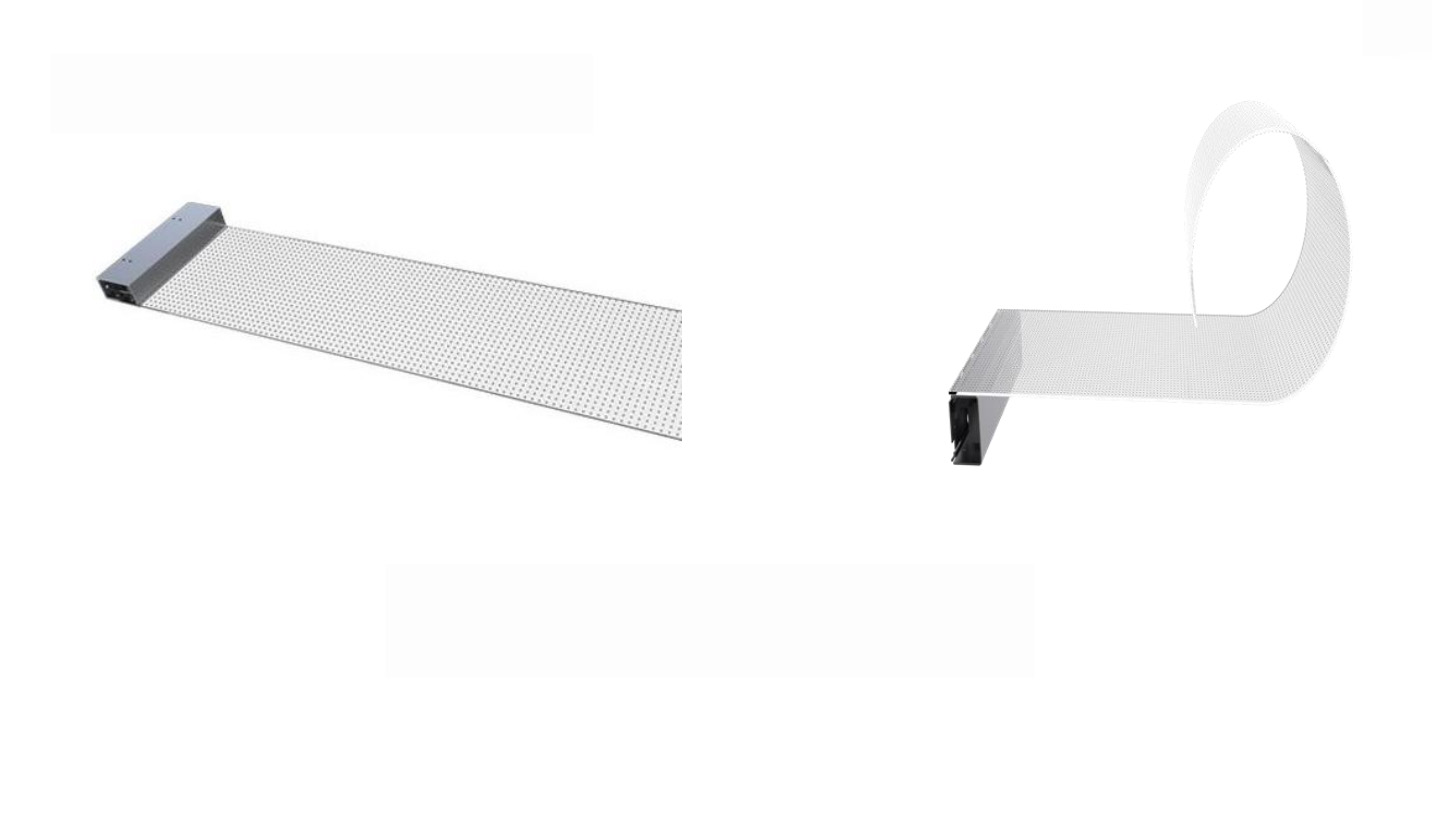
(1)Transparent LED Film Screen: Integrated film and circuit, no rigid modules, cuttable, highly flexible.

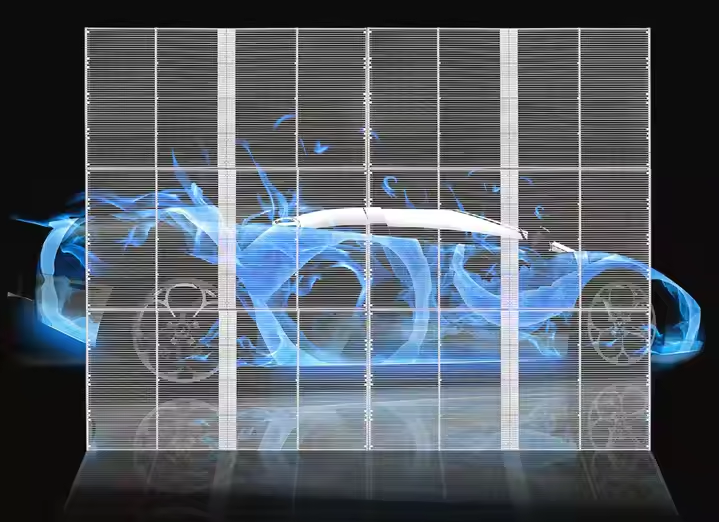
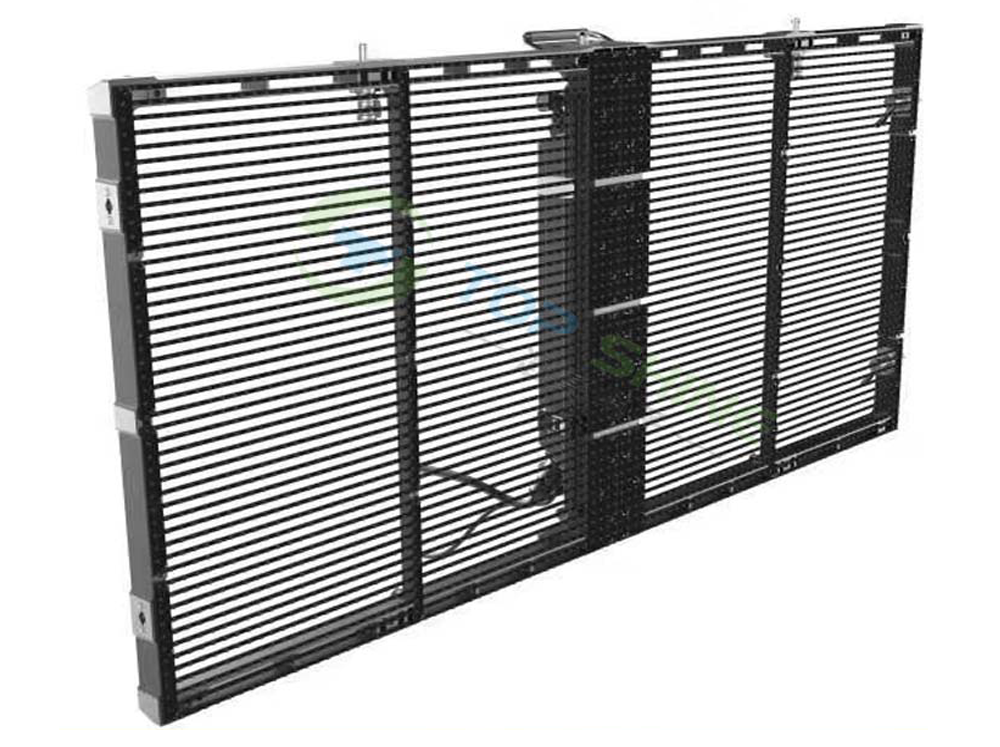
(2)Transparent Screen: Open-grid structure, standard modules, rigid mounting, frame-supported.


2.Light Transmittance/Brightness:

(1)Transparent LED Film Screen: Light transmittance of 80–95%; brightness of 2,000–4,000 cd/m²

(2)Transparent Screen: Light transmittance of 70–90%; brightness of 4,500–6,000 cd/m²

3.Flexibility:

(1)Transparent LED Film Screen: Highly flexible; can be rolled or bent to fit curved glass, cylindrical surfaces, and irregular shapes; can be cut to size on-site as needed

(2)Transparent Screen: Completely rigid; suitable for flat installations; dimensions limited by standard module sizes


4.Thickness / Weight:

(1)Transparent LED Film Screen: Thickness of 0.6-3 mm, weight of 1–3.5 kg/m²; ultra-thin and lightweight.

(2)Transparent Screen: Panel thickness of 8–12 mm, weight of 6–14 kg/m²; heavier dead weight.

5.Installation Structure:

(1)Transparent LED Film Screen: No steel framework required; adheres directly to the glass using specialized adhesive; does not damage the wall structure; imposes minimal load-                   bearing stress on the glass.

(2)Transparent Screen: Requires an aluminum alloy frame or suspension frame; glass requires additional load-bearing reinforcement.


6.Maintenance and Service Life:

(1)Transparent LED Film :For LED crystal film screens, the entire film adheres closely to the glass surface. Maintenance requires removing the specific film screen unit to replace the film material. This film-based structure is designed for indoor applications and offers reliable performance over a long service life.

(2)Transparent Screen :Traditional transparent LED displays feature a modular design that facilitates on-site replacement. Their open-grid structure ensures efficient heat dissipation. These products deliver stable, long-term operation in a wide range of indoor and outdoor environments, requiring only simple routine maintenance.

7.Ingress Protection Rating:

(1)Crystal Film Screen: Indoor standard IP30; suitable only for the interior side of indoor glass; not for outdoor use.

(2)Transparent Screen: Indoor IP43; outdoor models rated up to IP65; suitable for indoor and outdoor use

ja日本語
上へスクロール